Drone inspections give you clear visual access to areas that ground teams struggle to reach. Structures and bridges hold important information in small details. A drone captures that data fast and without long traffic closures. Local authorities and contractors use these results to plan repairs, monitor change, and check safety across their networks. The approach is efficient, safe, and repeatable, which helps teams manage assets with confidence.
Areas we review on bridges
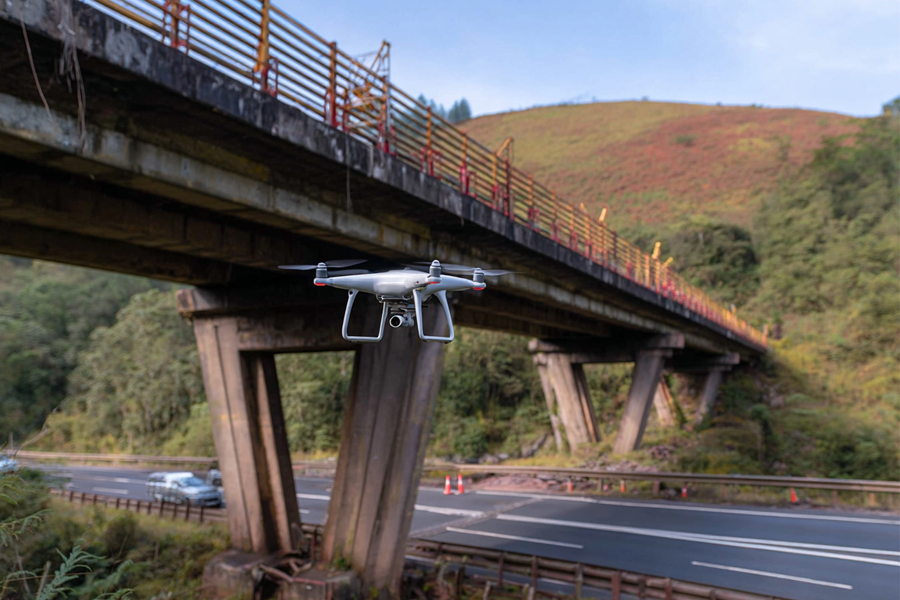
A bridge contains several parts that influence its condition. A drone lets you reach spans, girders, bearings, soffits, and high-level fixings without physical access equipment. These areas often hold early signs of failure or deterioration. You can capture cracks, surface wear, early corrosion, loose fittings, blocked drainage points, and signs of water tracking. Close detail also shows paint failure, spalling, and rust formation on steel sections. These images support quick assessments and give contractors the information they need to plan work.
What we check on structures
Large structures need regular checks to keep networks safe. A drone provides clear images of joint movement, signs of settlement, loose panels, and surface damage. You can also inspect high-level cladding, fascia, and support brackets. These are areas that once required scaffold or cherry pickers. A drone reaches them within minutes, which saves time and reduces disruption. This helps teams plan work with certainty, reduce cost, and avoid delays during inspections.
A drone also records the wider view around the structure. You can see approach roads, embankments, parapets, and drainage channels in one session. This wider context supports maintenance plans and risk checks on the surrounding area. The output helps teams understand what is happening both on and around the asset.
Drones we use for structural work
Different structures need different tools. The DJI Mavic 3 Enterprise is a strong option for close detail. It provides stable flight, clear imaging, and reliable control around complex shapes and tight spaces. It performs well around girders, soffits, fixings, and bearings. The DJI Mini 4 Pro is useful in restricted positions or where access is limited. Both platforms record high-resolution photos and video that show cracks, surface wear, peeling coatings, and water tracking with accuracy.
Thermal tools add another layer of detail. They help identify heat patterns, cold patches, and moisture points. These results support checks on expansion joints, mechanical areas, and electrical components. Thermal findings often highlight early problems that are not visible to the naked eye.
Data you receive after the flight
You can choose from several data outputs depending on the level of detail you need.
• Still images support defect tracking and reporting.
• Video helps you review movement, joint behaviour, and wider site context.
• Orthomosaic maps show detailed surface information across the full span.
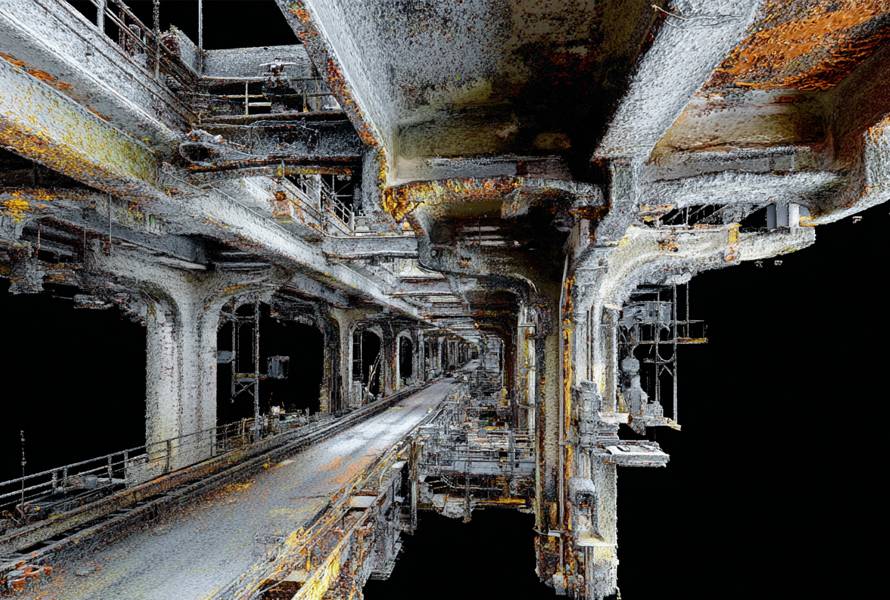
• 3D models show shape, condition, and areas that need close attention.
These formats help teams plan repairs, compare visits, and share results across departments. Secure cloud access lets staff in different offices work from the same files without delay. This supports clear communication and fast decisions during planning stages.
Safety and time savings you gain
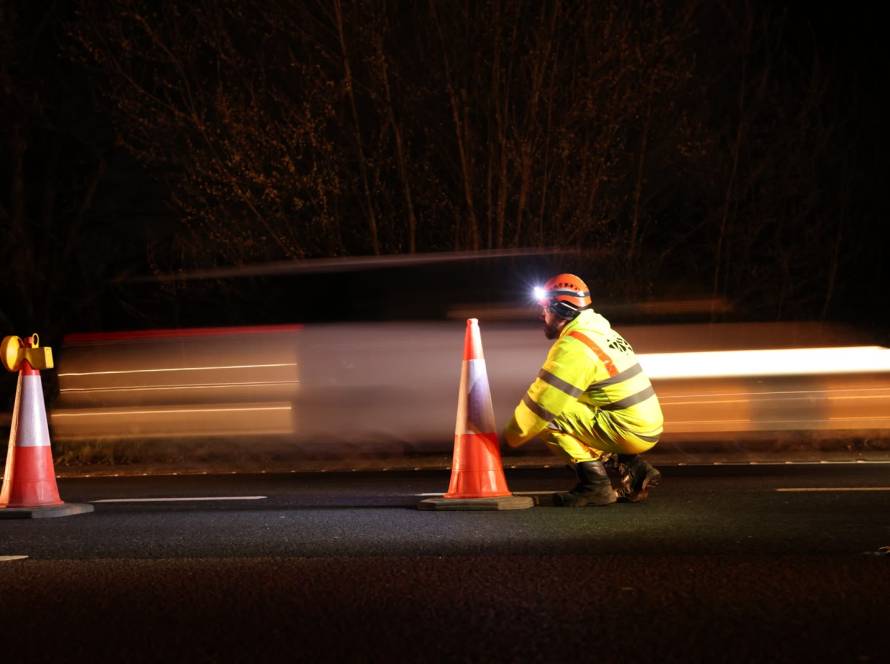
Drone inspections reduce the need for MEWPs, ladders, and scaffold. This lowers risk for teams on site and keeps people away from live carriageways and exposed positions. A drone reaches high-level and hard-to-access areas without putting staff at risk. This is valuable on bridges, structures near traffic, and confined areas where traditional access can be slow and costly.
These inspections also save time. A single flight can cover what previously needed hours of setup and traffic control. This helps contractors complete checks with fewer crews and less disruption. Teams can move between structures quickly, which increases productivity and cuts downtime.
Drones also support repeatable results. Flights can follow consistent routes, which helps you compare images from different visits. This is useful for long-term monitoring, planned works, and maintenance programmes.
How drone inspections support accurate decisions
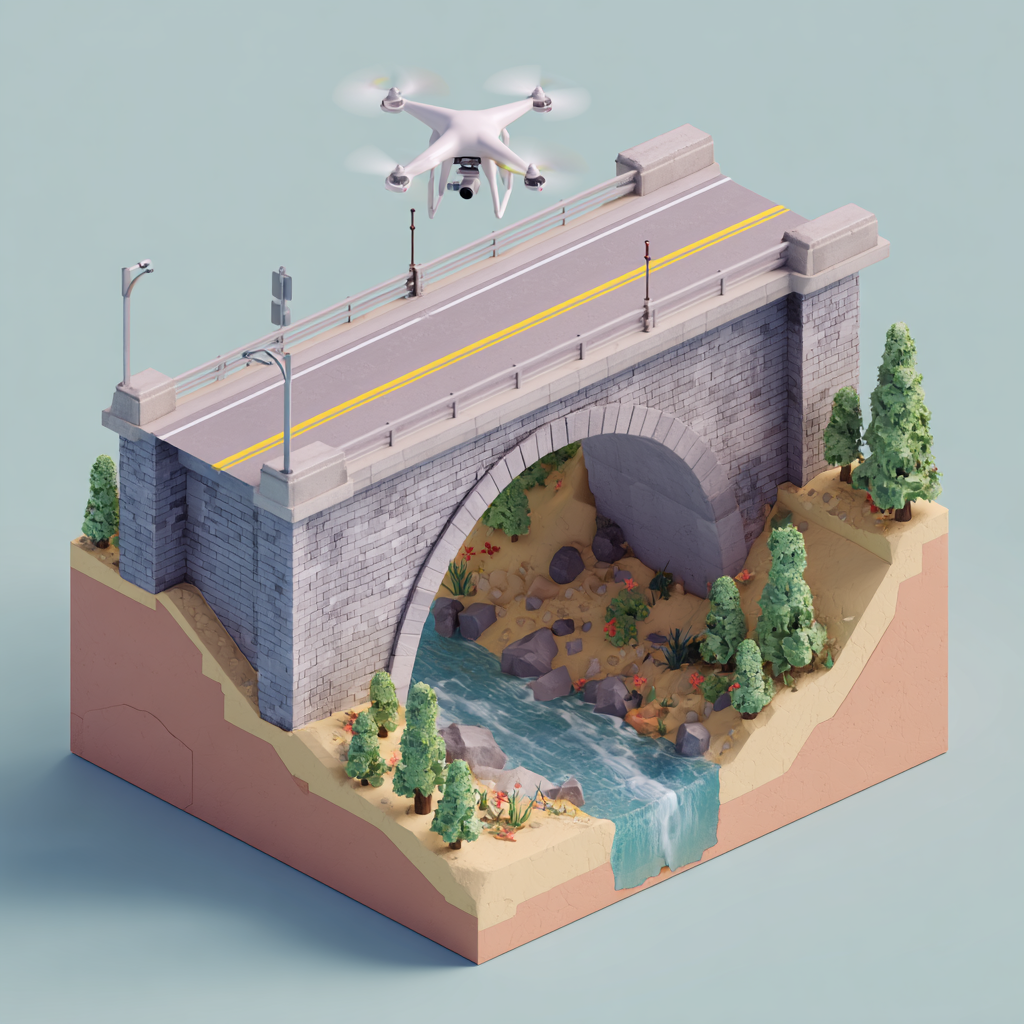
A drone provides clear detail in one visit. You can review cracks, joints, water paths, coatings, and surface condition. You can also see wider context such as embankments, parapets, drainage, and approach roads. This combination gives you a full picture of the asset.
The output helps teams confirm repair needs, check progress, and plan works. A drone inspection provides evidence for budgets, future planning, and risk management. The method is fast, controlled, and safe for everyone involved.
Drone inspections give you accurate data, safe working conditions, and strong results across structures and bridges. They help you plan, decide, and manage assets with confidence. If you want reliable inspections that save time on highways and major projects, get in touch with HDS.