Choosing the right drones for highway inspections comes down to output, safety, and compliance. The wrong platform slows delivery or limits the data you can collect. The right one fits the task, the site, and the client requirements.
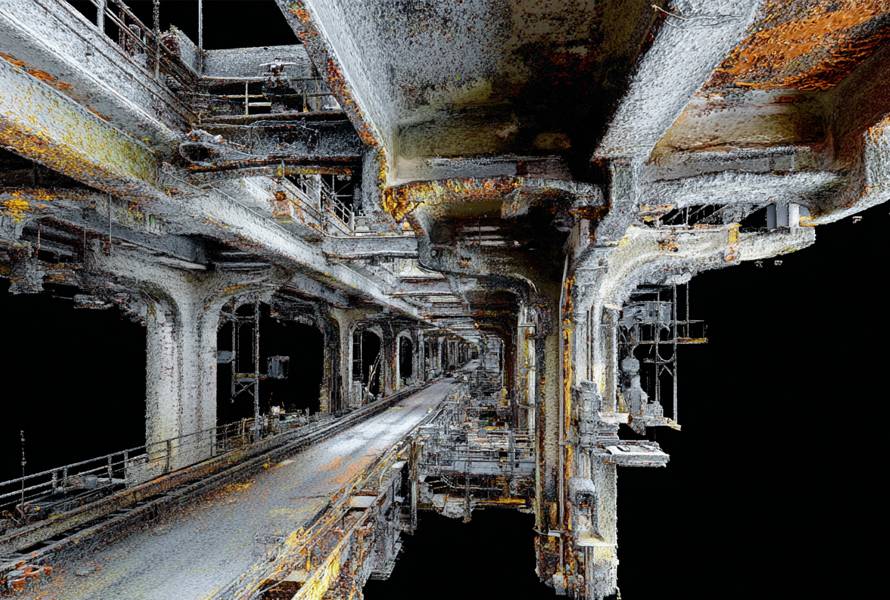
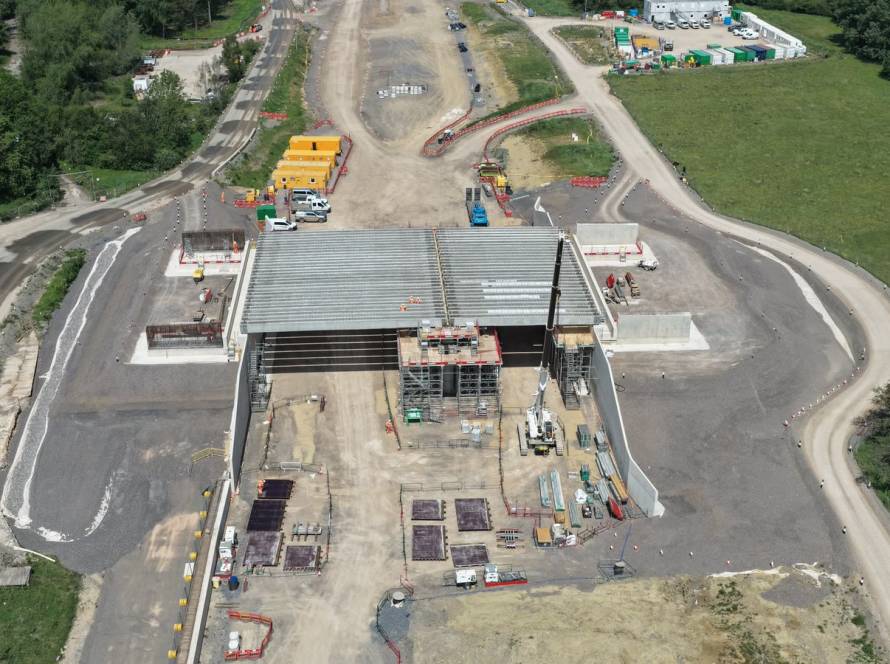
Highway inspection work is not uniform. Lighting surveys, progress monitoring, depot flights, and major structure inspections all place different demands on drones. Based on real work across these environments, a small number of platforms consistently stand out.
DJI Mini 5 Pro: Rapid Response Drone
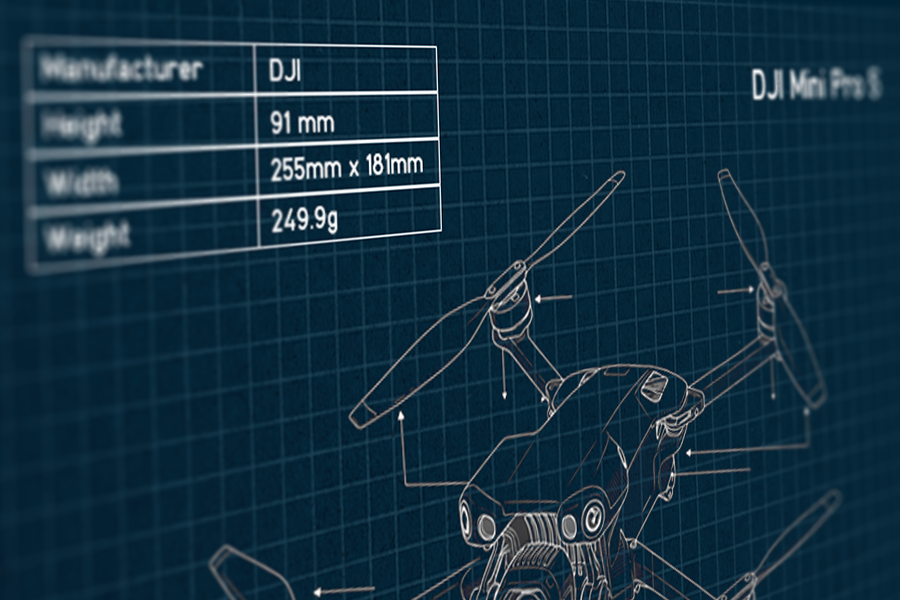
The Mini 5 Pro is a sub-250g platform designed for rapid deployment. It does not require large transport cases or extended setup time, which makes it suitable for quick response tasks and short notice site visits.
The upgraded one-inch sensor improves image clarity and low light performance compared to earlier Mini models. However, the absence of optical zoom limits stand-off inspection capability. To capture fine detail, the pilot must fly closer to the asset, which reduces the safety margin on live or complex sites.
This platform works best for low-risk, high-speed visual tasks. Typical uses include depot and compound overviews, traffic monitoring where no lane access is required, and visual confirmations that do not rely on engineering-grade measurements.
Due to consumer-level data encryption and limited enterprise controls, the Mini 5 Pro is best used as a secondary tool rather than for primary compliance or local authority inspections.
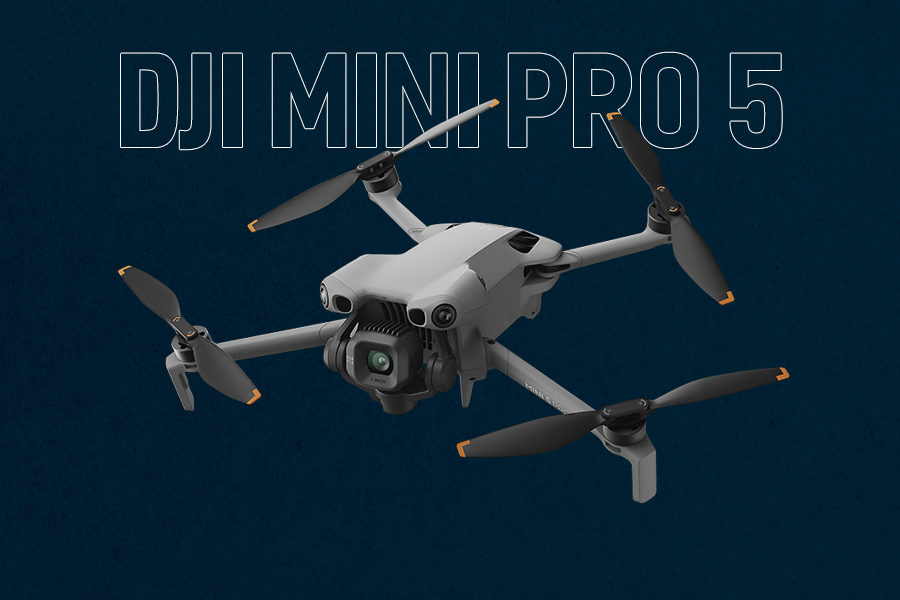
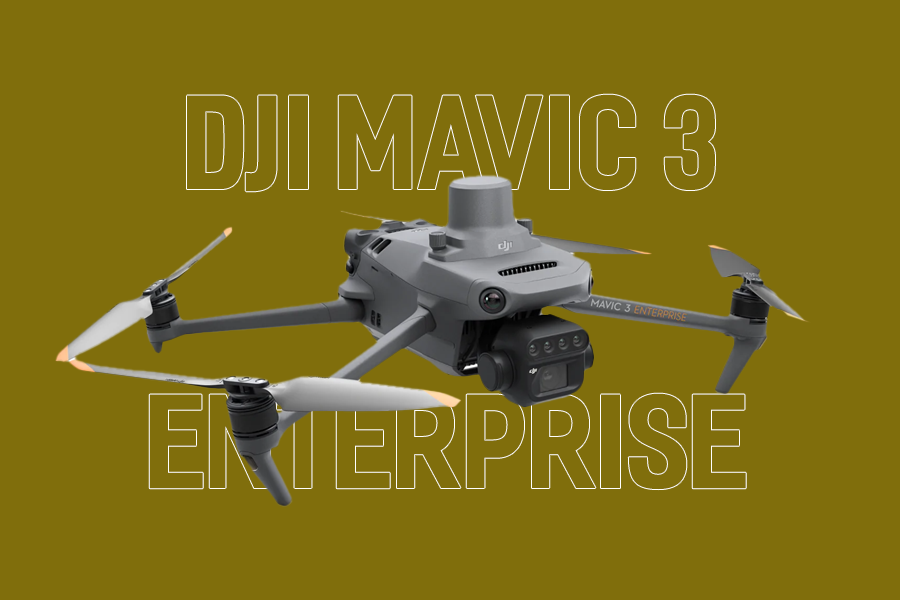
DJI Mavic 3 Enterprise: The Balanced Choice
The Mavic 3 Enterprise is often the best balance for highway inspection teams.
Flight time typically reaches forty minutes per battery. The larger sensor improves image quality, and optical zoom allows inspections to be carried out from safer stand-off distances. RTK support provides repeatable accuracy for measured surveys.
This platform is well suited to lighting inspections, asset condition surveys, and progress monitoring. On lighting surveys, the zoom allows lanterns, brackets, and fixings to be captured without positioning the drone directly above live carriageways.
Portability is strong. One person can deploy the system quickly with minimal setup. Costs remain controlled while meeting enterprise and local authority expectations. For many HDS projects, these are the default inspection drones.
DJI Matrice 300: Heavy Lift Inspection
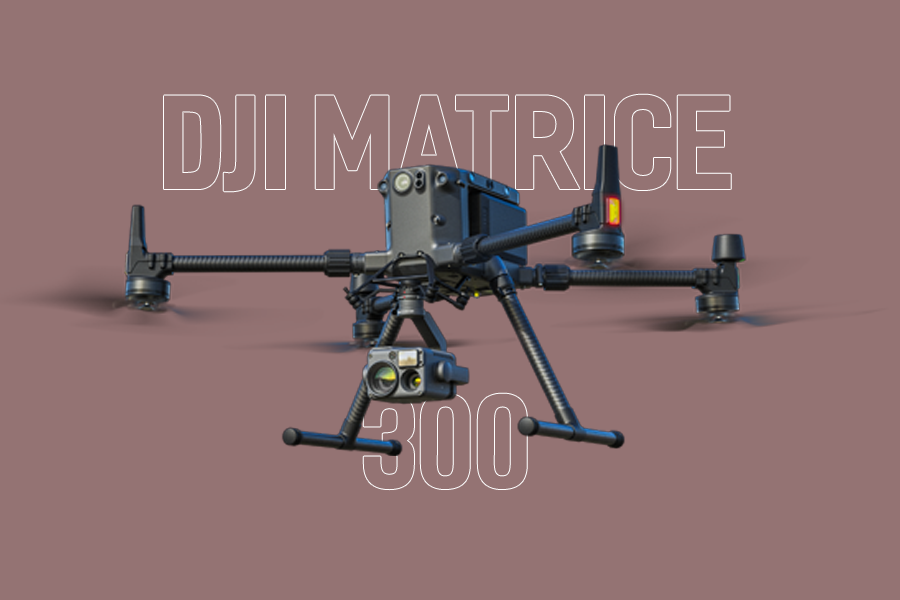
The Matrice 300 is designed for complex environments and longer missions.
Flight time can reach up to fifty-five minutes depending on payload. It supports a wide range of sensors, including high zoom and thermal units, which suits structural inspections and large area monitoring.
This platform works best on major structures, long linear assets, and sites where sensor choice matters more than speed of deployment. The trade-off is portability. Transport, setup time, and crew requirements are higher than smaller platforms.
On highway projects, the M300 is used where inspection detail or coverage outweighs the need for rapid daily surveys. Cost reflects capability and is best justified on larger schemes or specialist inspections.
DJI Matrice 350: Critical Infrastructure Drones
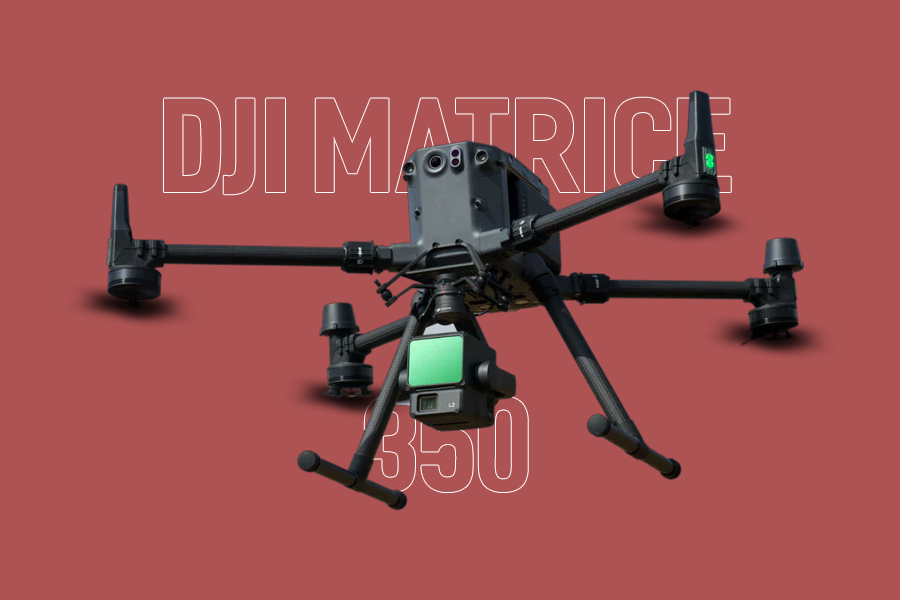
The Matrice 350 builds on the M300 with improved reliability, safety systems, and compliance features.
Flight time remains high, sensor compatibility is improved, and overall resilience is stronger. Redundancy and weather resistance make it suitable for critical infrastructure inspections and higher risk environments.
For highway teams, the M350 suits major structures, night work, thermal inspections, and long duration monitoring. It is not intended for casual deployment, but it performs where operational confidence matters most. This is the platform used when failure is not an option.
Matching the drone to the task
No single drone suits every highway inspection.
- Depot flights and rapid progress checks often suit the Mini 4 Pro.
- Lighting inspections and routine asset surveys suit the Mavic 3 Enterprise.
- Large structures and complex sites suit the Matrice 300 or Matrice 350.
The most effective teams choose platforms based on output, not novelty.
What matters in real world inspection work
From live highway and construction delivery, a few factors consistently outweigh headline specifications when selecting drones.
- Stand-off zoom reduces exposure to live traffic.
- Reliable flight time keeps surveys efficient.
- Fast deployment protects programmes.
- Compliance builds confidence with clients and authorities.
The best drone is the one that fits the job, the site, and the inspection requirement, not the one with the longest spec sheet.