Hiring a drone operator for highways work used to be a quick favour: someone on site knows someone with a drone, and the job is done by lunch for a couple of hundred pounds. Since the Civil Aviation Authority’s new framework took effect on 1 January 2026, that shortcut can move an uninsured aviation risk straight onto the principal contractor. Here is what changed, why highways sit at the hard end of the rules, and the eight questions to ask before anyone takes off.
At a glance
- Registration now starts at 100g, Remote ID is live and new drones carry UK0 to UK6 class marks.
- The CAA’s annual PDRA-01 charge has gone from £234 to £524 in two years, and PDRA-02 is suspended.
- Drivers on a live carriageway cannot be briefed, so highways work sits at the demanding end of the rules.
- An operator flying outside their authorisation is very likely flying outside their insurance too.
- Eight written questions will filter the market faster than any procurement portal.
What changed in the UK drone rules on 1 January 2026
The CAA replaced a framework held together by temporary exemptions since Brexit. For anyone commissioning aerial work, these changes matter:
- Registration from 100g. The threshold dropped from 250g. Flyer IDs and Operator IDs now catch many small inspection drones that used to sit outside the system.
- Remote ID. All UK class-marked drones must broadcast it now. Older camera drones over 100g have until 1 January 2028, which means a retrofit module or new aircraft.
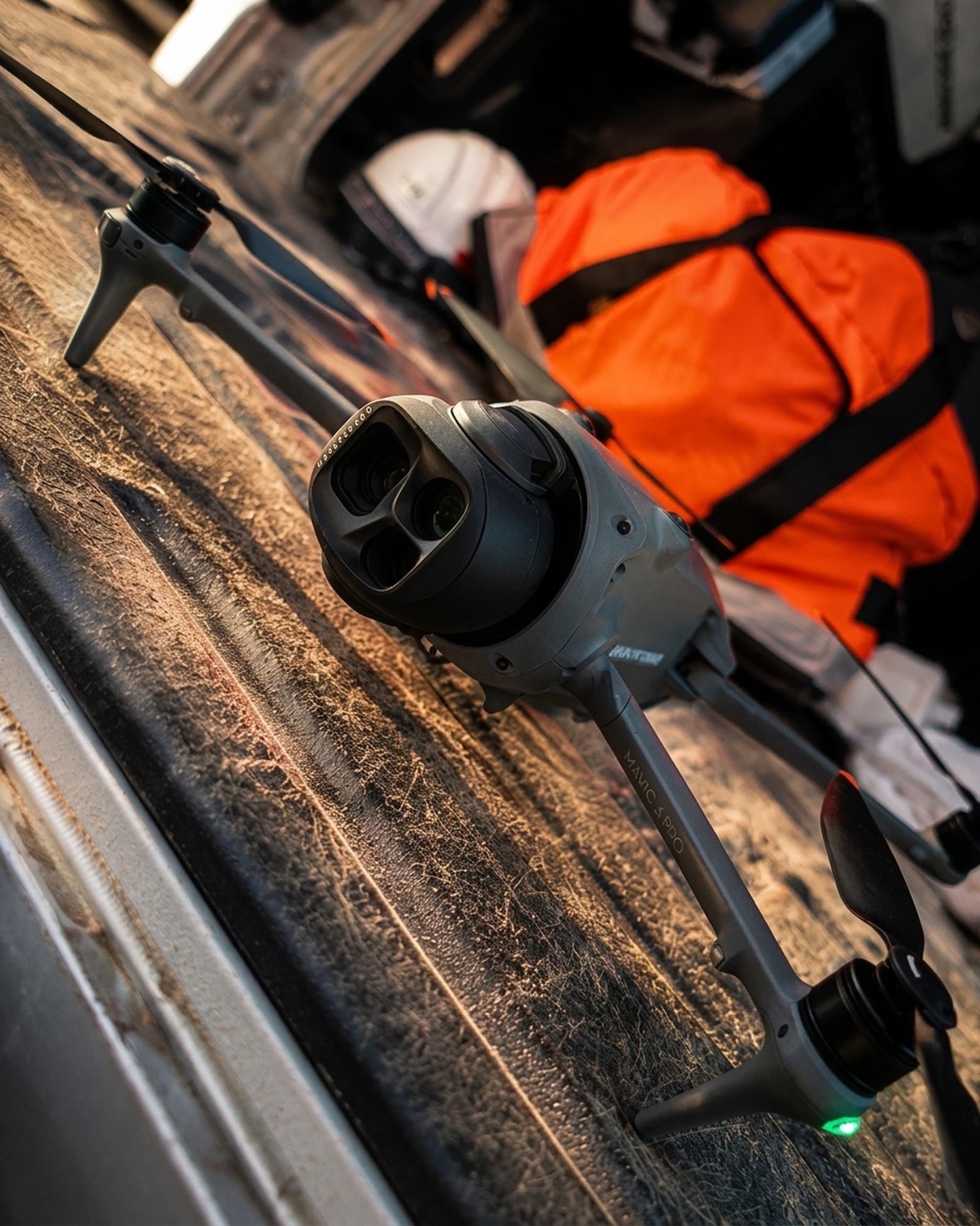
- UK class marks. New aircraft carry UK0 to UK6 markings that decide what they can legally do. Drones bought before January 2026 without a class mark are “legacy” aircraft, governed by weight alone and without the reduced separation distances class-marked drones are allowed.
- Night flying needs a green flashing light. Its weight counts towards the aircraft’s total.
- Higher authorisation costs. PDRA-01, the standard route for commercial visual line of sight work beyond the Open Category, cost £234 a year. It rose to £500 in April 2025 and stood at £524 on the CAA’s published figures when this was written.
- PDRA-02 suspended. The route that covered closer-proximity work is paused while the CAA reviews its risk model. That work now needs a full UK SORA submission.
Why highways sit at the hard end of the rules
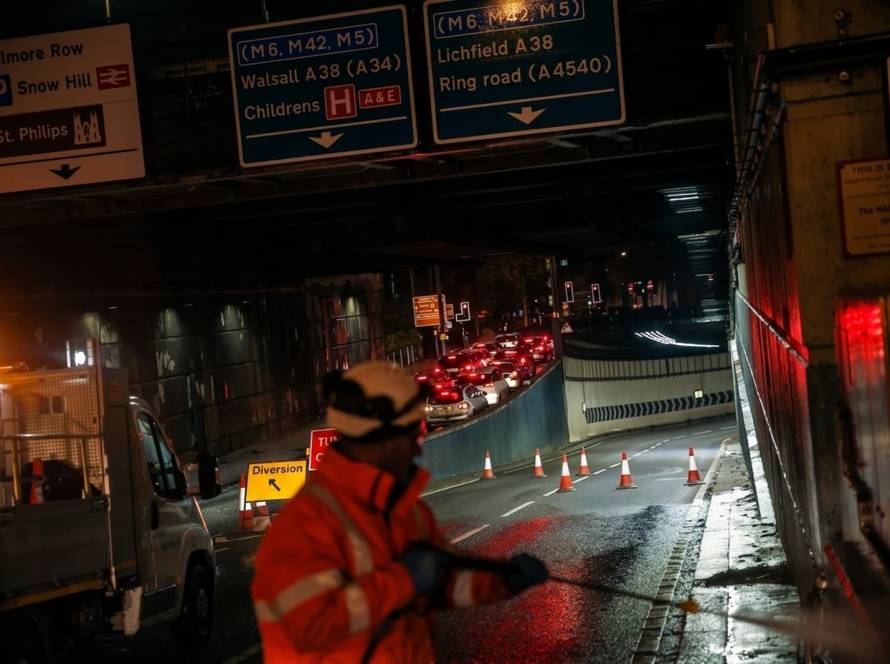
The framework turns on the “uninvolved person”, anyone not under the operator’s control who has not agreed to be part of the flight. On a live carriageway they arrive continuously, at seventy miles an hour, and nobody can brief them, exclude them or ask them to wait. Then add the things that make highways work distinctive:
- Schemes that run for miles rather than sitting on one plot.
- Corridors that clip Flight Restriction Zones around airfields nobody on the delivery team had thought about.
- Structures inspections that need the aircraft close to the asset.
- Night possessions, when the new lighting rules apply.
- Overhead lines, gantries and the electromagnetic environment around them.
That is why we plan every flight from verges, footways and compounds, and never fly over live traffic.
The liability question commercial teams should ask
If an unauthorised flight goes wrong beside a live carriageway, the consequences do not stay with the pilot. Commercial operators must hold insurance compliant with EC Regulation 785/2004,. An operator flying outside their authorisation is very likely flying outside their policy. The exposure then travels up the contract chain to whoever engaged them, and sits alongside every CDM duty the principal contractor already holds.
Eight questions before hiring a drone operator for highways work
A competent operator can answer all eight in writing, usually within the hour. One who bristles at them has told you something useful.
- What is your Operator ID, and can I see your current Operational Authorisation? Ask for the document, not just the number, and check the expiry date.
- Which route are you operating under? PDRA-01 or a SORA-based authorisation, and does it cover what is proposed on this site?
- What are the aircraft’s class mark and weight? If it is a legacy aircraft, which separation distances apply?
- Can I see your insurance certificate? Confirm it is EC 785/2004 compliant, the level of cover, and that it names the operating company correctly.
- What does the remote pilot hold? A2 CofC, GVC or the newer Remote Pilot Certificate, and is it right for this operation? Competence and permission are separate things.
- Have you checked airspace for this exact location? Flight Restriction Zones, NOTAMs and any aerodrome permissions, and when was the check done?
- Where is the site-specific risk assessment? Generic paperwork with your scheme name typed into the header is not one.
- What happens to the data? Ownership, retention, the GDPR position on incidental capture of the public and number plates.
Print the list and put it in the pre-start pack. Our free guides include a fuller supplier checklist.
Highways credentials matter as much as aviation ones
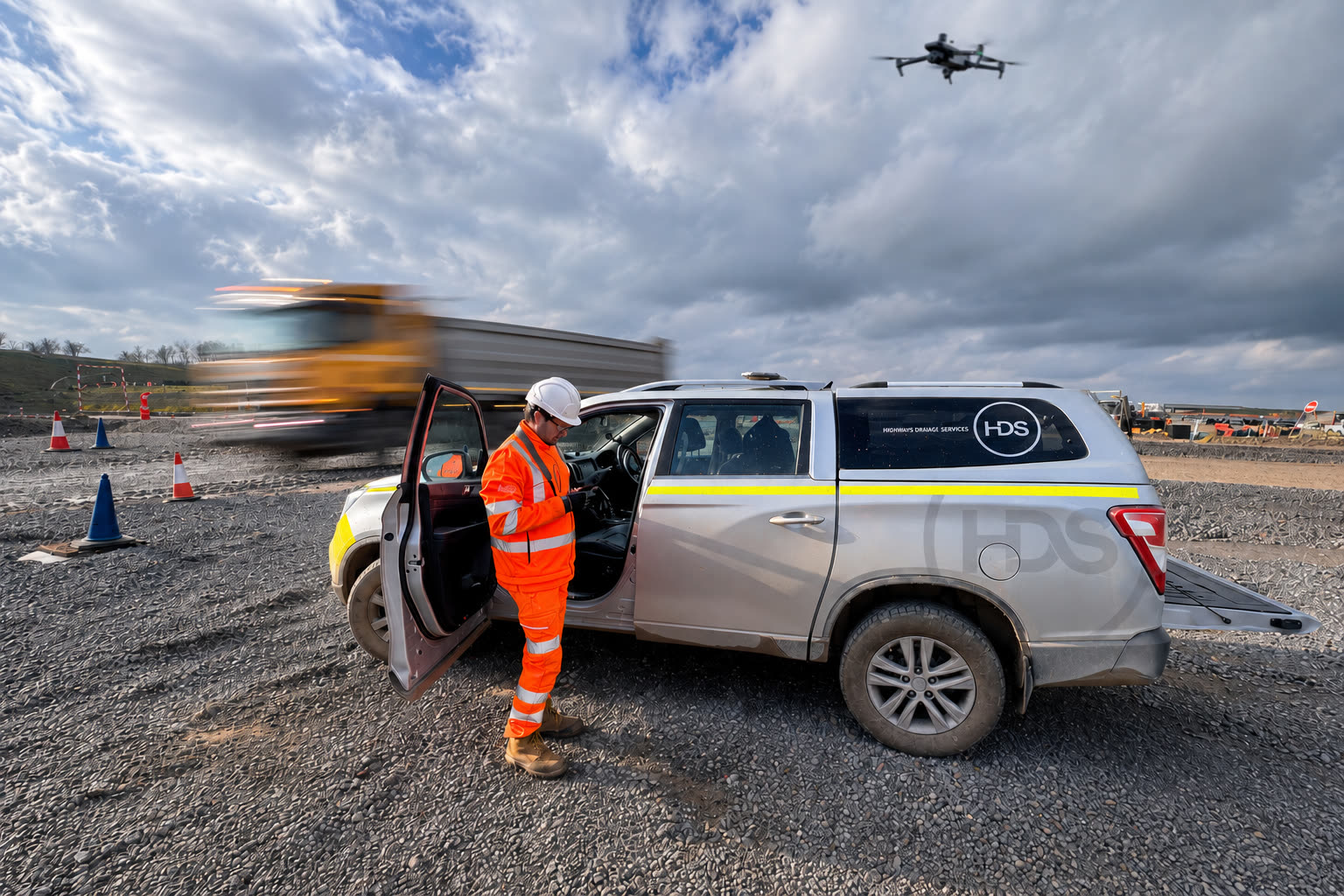
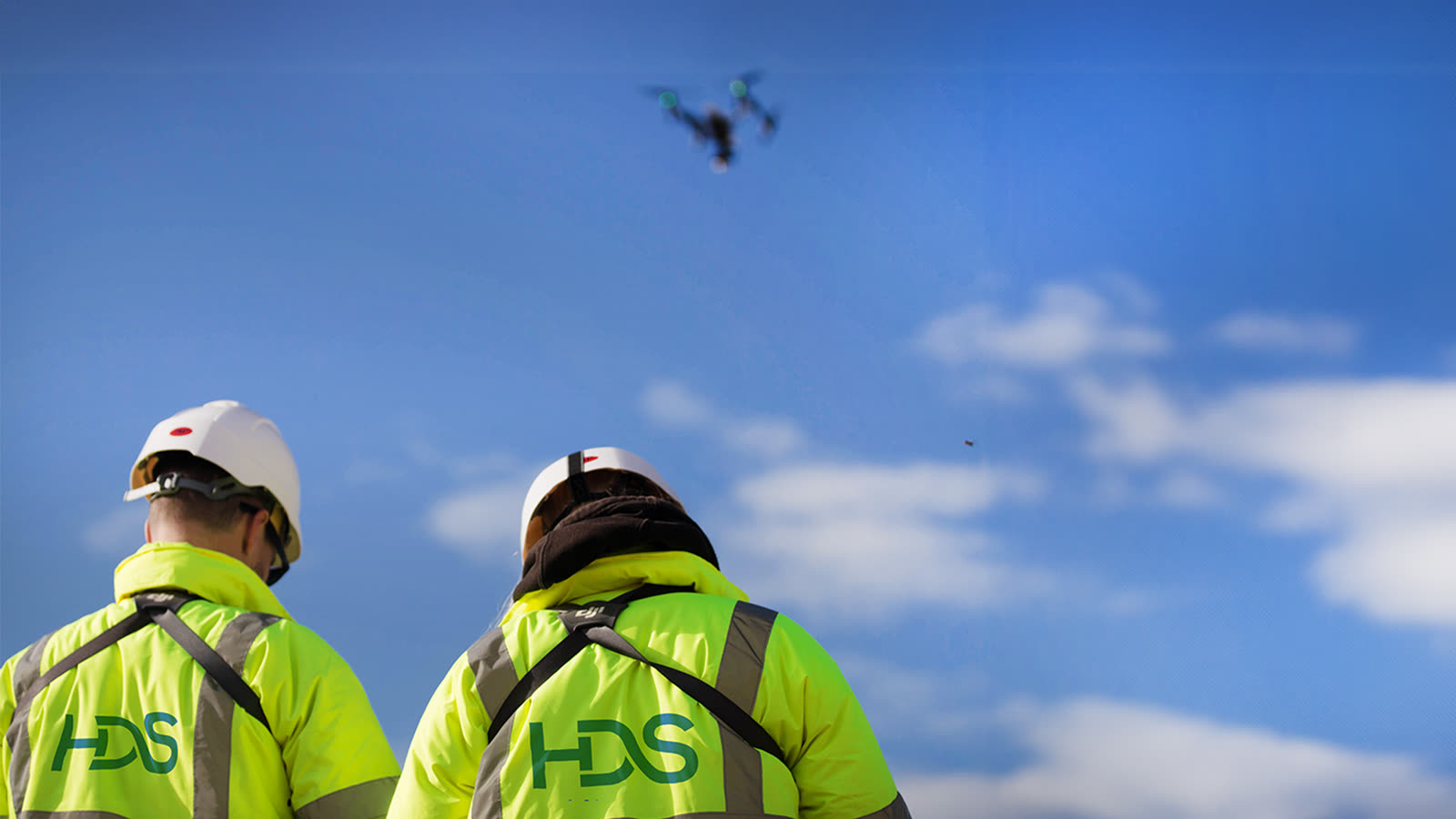
Most drone firms hold the aviation side. Most survey firms hold the highways side. Work on the network needs both. Alongside CAA operator registration and pilot authorisations, HDS holds NHSS 12D traffic management certification, Highways Passport and CSCS, with £10m public and employers liability cover. We run a Chapter 8 compliant vehicle with Starlink on board, so data can leave site the same day.
What a compliant operator costs
Compliance is not free, and the price reflects it. Our day rates run from £900 for raw capture to £1,800 for fully processed, CAD-ready data, excluding VAT. That includes a two-person team, site-specific RAMS, airspace checks and insurance. In most cases no traffic management is needed because we work off the carriageway. Our guide to drone survey costs in the UK explains how jobs are priced.
Why a higher bar is good news for clients
For years drone inspection has been judged by its cheapest end. Rules that make the difference visible help clients tell a discipline from a gadget. On the Birmingham street lighting programme with Kier and Birmingham City Council, drone-led inspection ran at 75.1 columns a shift against a 14.5 baseline for the MEWP-based method, with crews out of live traffic and no accidents, injuries or near misses. The Birmingham case study has the detail. None of that comes from owning a drone. It comes from an operations manual, a maintained authorisation, an insured company, a trained pilot and the discipline of doing the airspace check before the van leaves the yard.
Frequently asked questions
What should I check before hiring a drone operator for highways work?
Ask for the current Operational Authorisation document (not just an Operator ID), the route it covers, the aircraft class mark and weight, an EC 785/2004 compliant insurance certificate, the pilot’s qualifications, a dated airspace check and a site-specific risk assessment.
What insurance should a commercial drone operator hold?
Insurance compliant with EC Regulation 785/2004, with the level of cover stated and the operating company named correctly. An operator flying outside their authorisation is very likely flying outside their policy as well.
Is PDRA-02 still available?
Not at the time of writing. The CAA has suspended PDRA-02 while it reviews the underlying risk model and is not accepting new applications or renewals, so closer-proximity work now needs a full UK SORA submission.
Where do you fly from on a live road?
No. Road users are uninvolved people who cannot be briefed, so we plan every flight from verges, footways and compounds and never fly over live traffic.
Planning a job on the network? Get in touch and we will answer all eight questions in writing.